Evidence-based design. Reliable delivery.
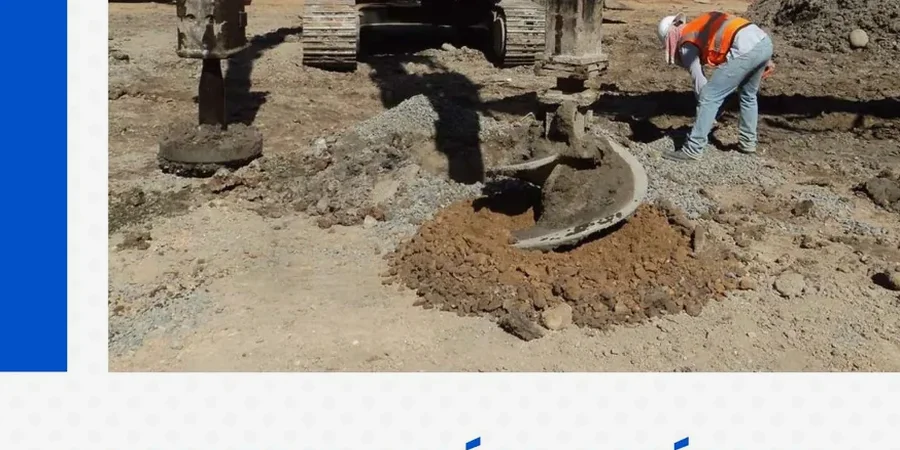
LEARN MOREGround improvement encompasses a suite of geotechnical techniques designed to enhance the engineering properties of soil and rock, making them suitable for construction. In Casper, Wyoming, where subsurface conditions can be highly variable—ranging from loose alluvial deposits along the North Platte River to expansive clay soils and shallow bedrock—these methods are not just optional but often essential. The city's growing infrastructure, including commercial developments, energy sector facilities, and transportation networks, demands stable foundations that can withstand both structural loads and the region's harsh freeze-thaw cycles. By modifying the ground rather than bypassing poor soils with deep foundations, ground improvement offers cost-effective and sustainable solutions that reduce settlement, increase bearing capacity, and mitigate liquefaction risks.
Casper's geology is shaped by its location in the Wyoming Basin, characterized by sedimentary formations from the Cretaceous and Tertiary periods. Near the river, unconsolidated sands and silts are prone to liquefaction during seismic events—a real concern given the proximity to the Casper Arch and other tectonic features capable of generating moderate earthquakes. Away from the floodplain, residual soils derived from shale and sandstone often contain layers of fat clay with high swell potential, which can heave foundations and damage slabs. Glacial outwash deposits and colluvium on slopes add further complexity. These conditions demand a tailored approach to ground improvement, whether through densification, reinforcement, or drainage, to ensure long-term performance.
In the United States, ground improvement design and execution must comply with standards from the International Building Code (IBC) as adopted by Wyoming, along with geotechnical guidelines from the Federal Highway Administration (FHWA) and the American Society of Civil Engineers (ASCE). Specifically, ASCE 7 provides seismic design criteria, while FHWA publications like the Geotechnical Engineering Circular No. 13 offer detailed methodologies for techniques such as stone column design. For sites requiring densification of granular soils, vibrocompaction design is often validated through post-treatment testing, including seismic refraction surveys to confirm improved shear wave velocities. Local regulations in Casper also require adherence to City of Casper Engineering Design Standards, which mandate geotechnical investigations for commercial and subdivision projects, ensuring that ground improvement proposals are peer-reviewed and site-appropriate.
Projects in Casper that frequently call for ground improvement include warehouse and distribution centers on the city's east side, where loose sands require densification to support heavy floor loads. Bridge abutments and approach embankments along Interstate 25 and the North Platte River crossings often need stone column design to control settlement and improve slope stability. Energy infrastructure, such as tank farms and compressor stations, relies on vibrocompaction design to eliminate liquefaction hazards in sandy soils. Even residential subdivisions on expansive clays benefit from ground improvement through moisture conditioning or chemical stabilization, preventing foundation distress that plagues many existing homes in the area. Each project demands a nuanced understanding of local soil behavior and loading conditions.
Ground improvement refers to techniques that alter soil properties to increase strength, reduce compressibility, or mitigate liquefaction. In Casper, it is critical due to variable subsurface conditions like loose river deposits, expansive clays, and seismic activity from regional faults. Without it, foundations may experience excessive settlement or failure.
A geotechnical investigation is the first step. If the report identifies issues like low bearing capacity, high settlement potential, liquefiable sands, or expansive soils, ground improvement is likely needed. City of Casper standards mandate such studies for most commercial and subdivision developments, guiding the decision.
Common methods include vibrocompaction for densifying granular soils, stone columns for reinforcing soft clays and silts, and deep soil mixing for stabilizing weak layers. Chemical stabilization with lime or cement is also used for expansive clays. The choice depends on soil type, depth of treatment, and project loads.
The duration varies by method and site size—ranging from days for small vibrocompaction jobs to weeks for extensive stone column installations. While it adds an upfront phase, ground improvement often accelerates overall construction by eliminating deep foundation alternatives and reducing long-term maintenance delays.
We serve projects across Casper Wyoming and surrounding areas.