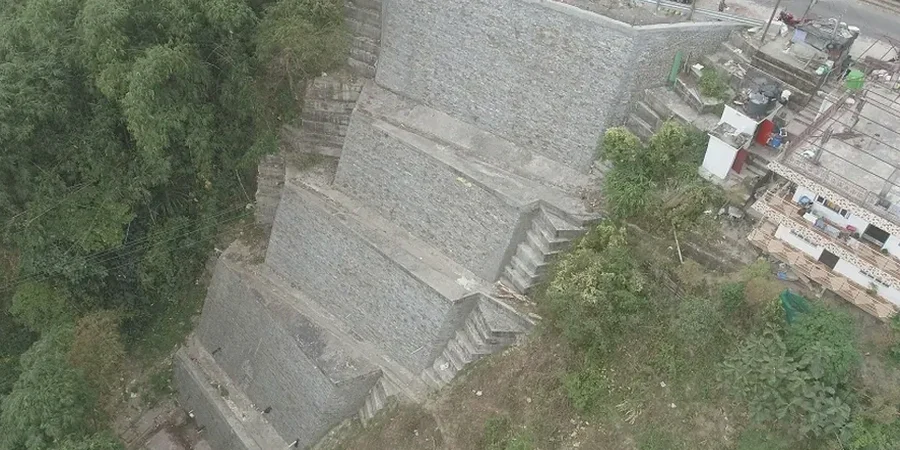
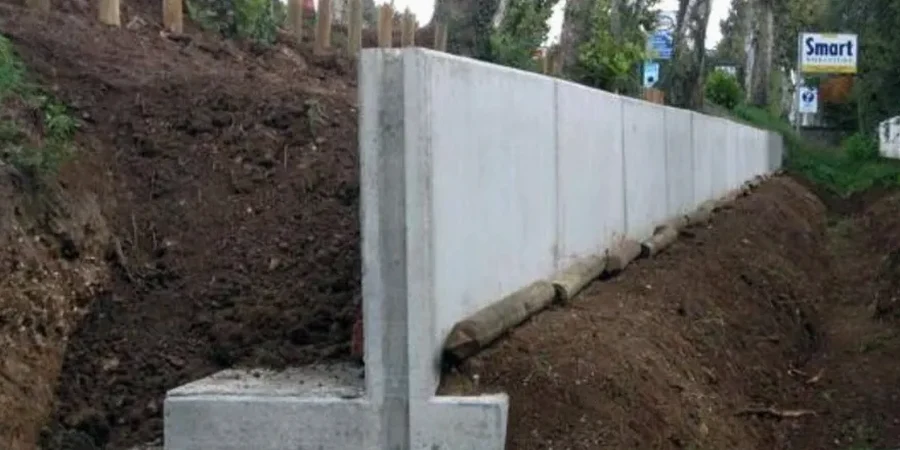
In Casper, the interaction between man-made structures and the Casper Formation's interbedded sandstone and shale creates specific demands on earth retention. A retaining wall design here must account for more than just lateral earth pressure; it must address the swelling potential of Cretaceous-age claystone layers that underlay much of the city's east side. The freeze-thaw cycles at 5,200 feet elevation, combined with the North Platte River's influence on groundwater in the valley floor, mean that drainage design is just as critical as structural capacity. When evaluating a site near Casper Mountain, we often pair the geotechnical investigation with slope stability analysis to understand the global failure mechanisms before detailing the wall itself, especially on lots where the grade exceeds 20 percent.
A retaining wall in Casper is a drainage structure first and a structural element second: water behind the wall is the primary cause of failure in expansive shale terrain.