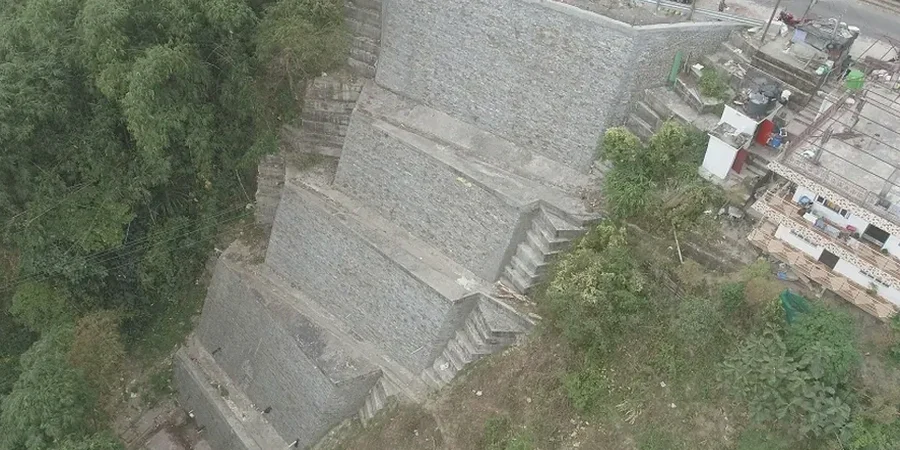
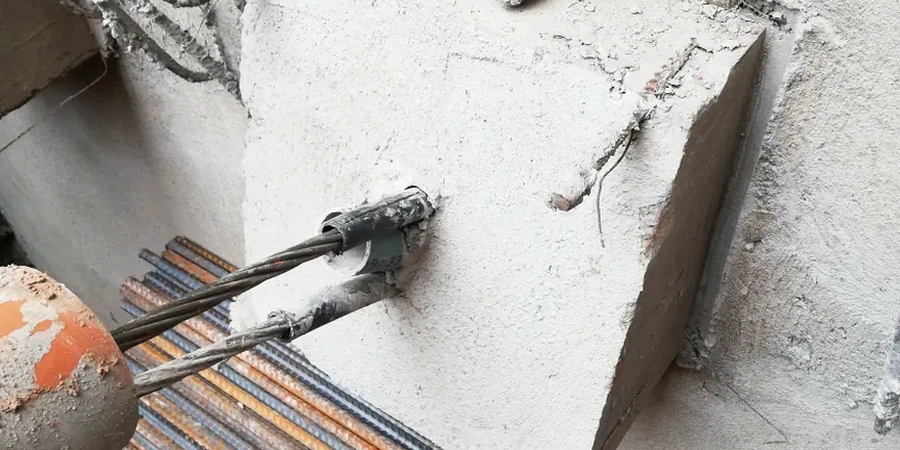
Wind patterns in Casper Wyoming create lateral demands on retaining structures that many standard designs simply overlook. The combination of high seasonal wind speeds and the underlying Casper sandstone formation means that tieback anchors must account for both sustained tension and cyclic loading. We apply active and passive anchor systems where the ground conditions allow, integrating site-specific geotechnical data rather than relying on generic pullout charts. This becomes critical when working near the North Platte River, where alluvial deposits shift the failure plane further back than a textbook case would predict. SPT drilling data from the project site feeds directly into the bond length calculations, ensuring the grout-to-ground interface is designed for the actual fines content and not an assumed value from a regional map.
In Casper's variable overburden, relying on a single anchor type without verifying the stratigraphy through direct investigation often results in either overdesign or premature load transfer failure.